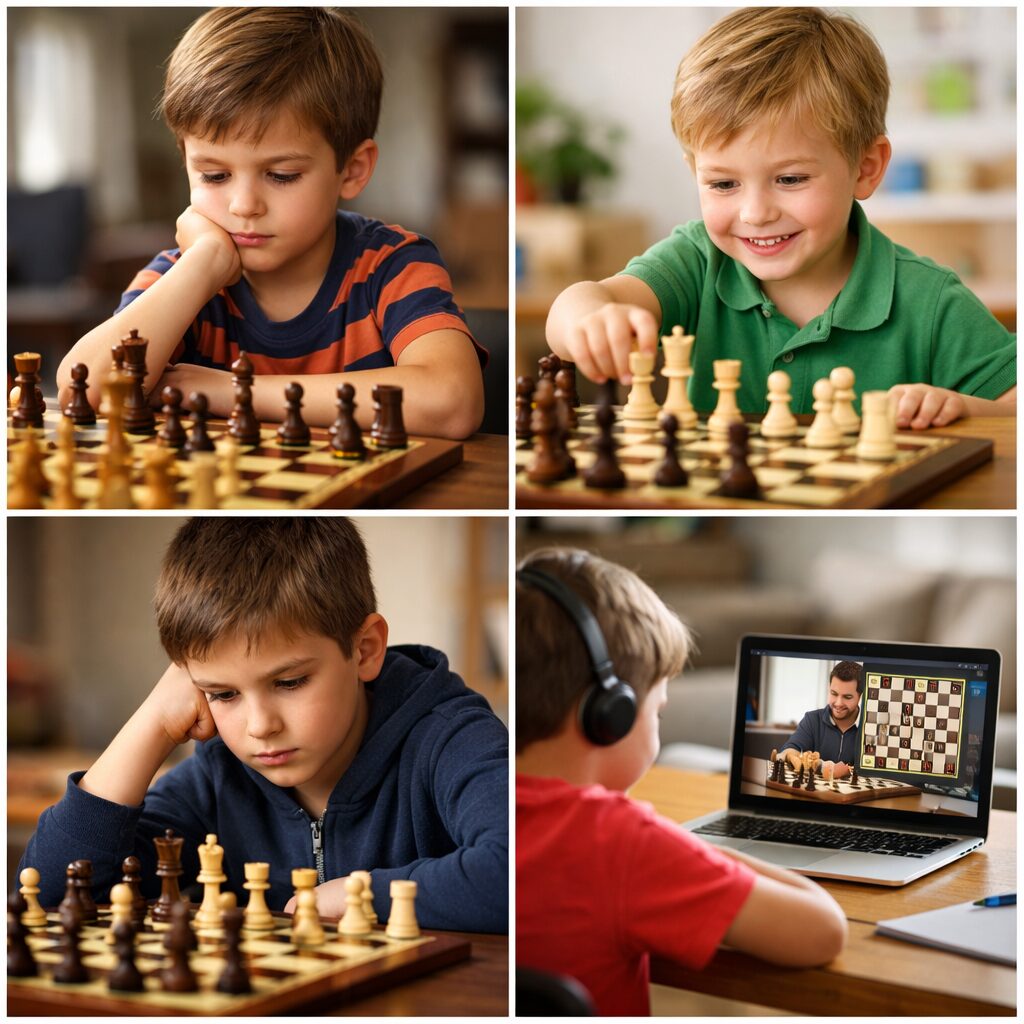

Best Age to Learn Chess for Kids (Parent Guide 5–10 Years)

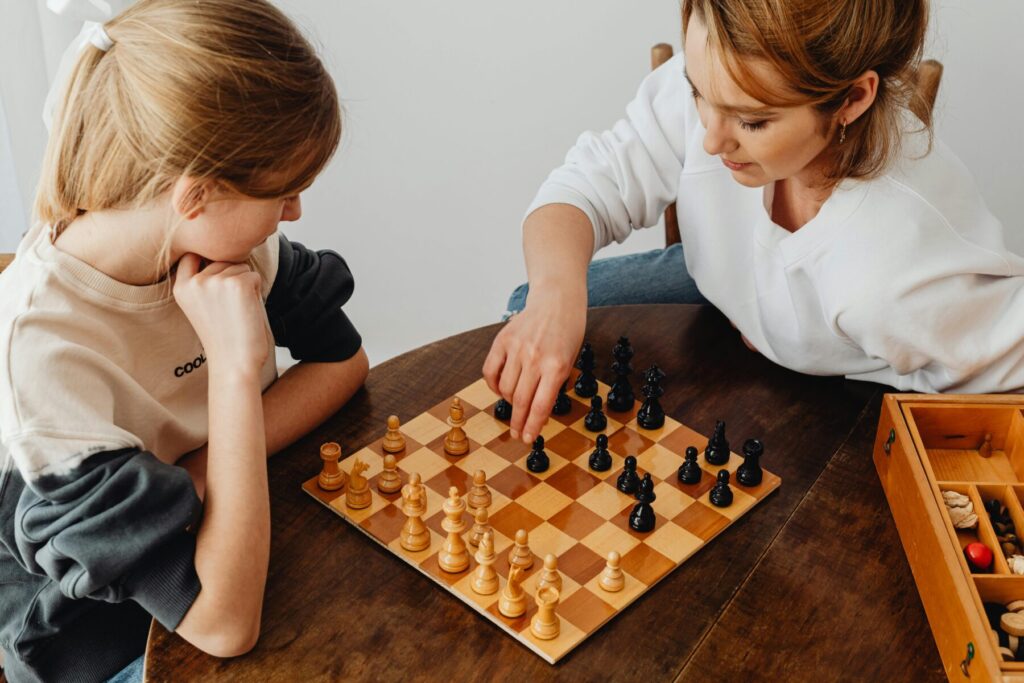
child learning chess with coach showing early chess training benefits
Children can start chess at any age with the right training and guidance

Quick Answer:

There is no age that is “too late” to start chess.

Children who begin between 5 and 7 years develop pattern recognition quickly.
Children who start later (8–12 or beyond) often learn faster due to stronger focus and understanding.

👉 Success in chess is NOT determined by age —
It depends on structured coaching, consistent practice, and proper feedback.

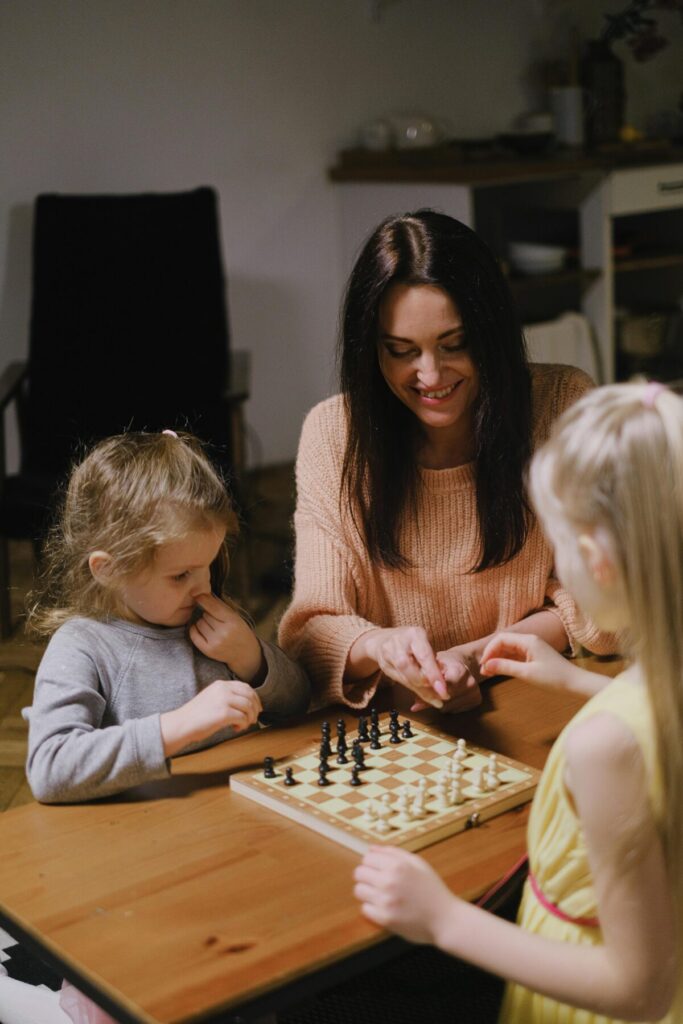
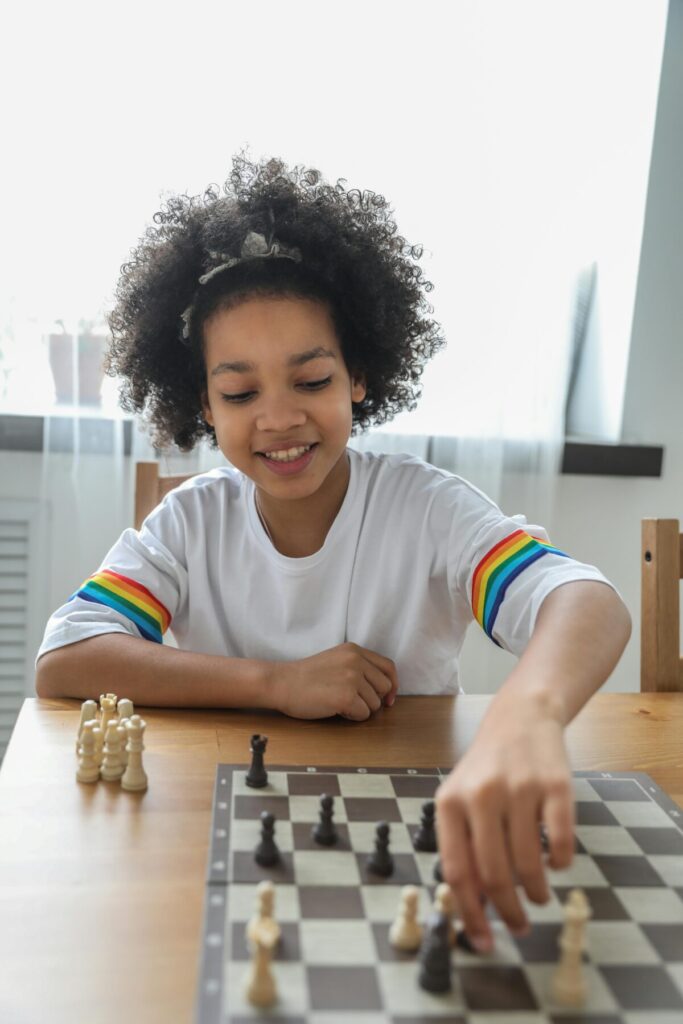
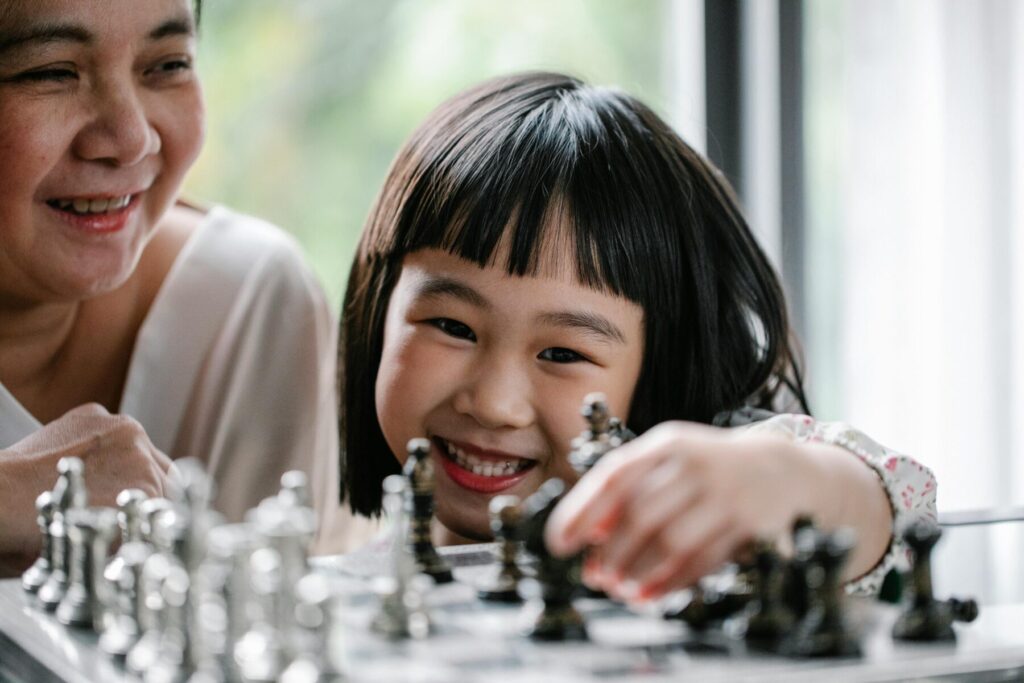
child smiling while playing chess with parent showing positive learning experience
Success in chess depends more on guidance than starting age

Introduction

“Is your child too late to start chess?”

This is the most common question parents ask.

Many believe there is a perfect age — and if they miss it, their child loses the opportunity.

The truth is much simpler (and more reassuring):

  • Ages 5–7 are ideal
  • Ages 8–10 are absolutely fine
  • Even older kids can learn successfully

What actually matters is not age alone —
It’s how your child is introduced and trained.

In this guide, you’ll learn exactly when to start, what to avoid, and how to give your child the best possible foundation in chess.

Quick Decision Guide for Parents

Content:

  • Age 5–7 → Ideal start

  • Age 8–10 → Great time to begin

  • Age 10+ → Still fully possible

What Is the Best Age to Learn Chess?

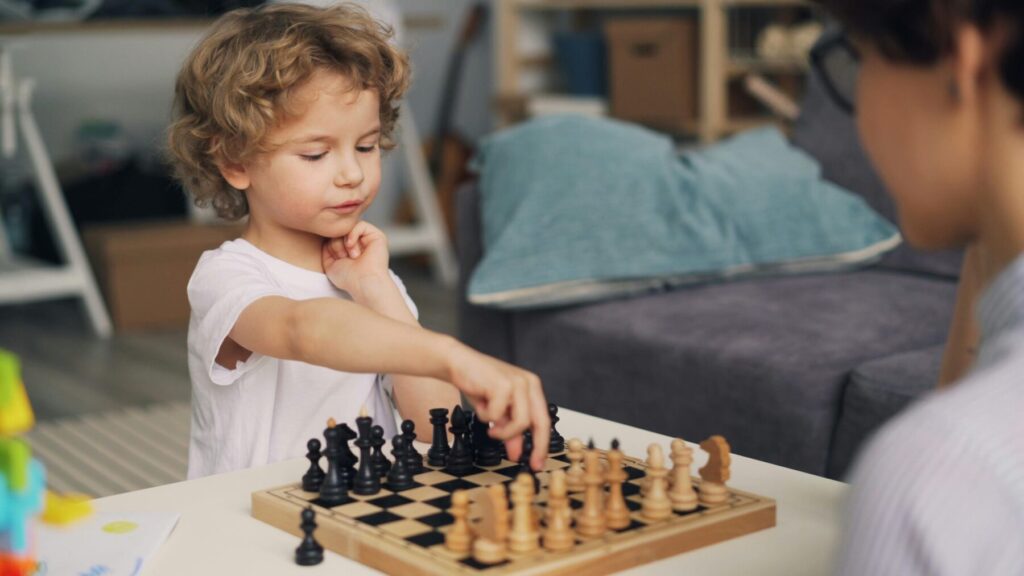
young child learning chess pieces and basic moves on board
Ages 5–7 are ideal for building strong chess fundamentals

The ideal age to start learning chess is between 5 and 7 years old.

At this stage, children:

  • Understand rules more easily
  • Begin developing logical thinking
  • Have enough attention span
  • Are naturally curious

This makes it the best time for structured learning.

However, this does NOT mean younger or older children cannot learn.

Can Children Start Chess Before Age 5?

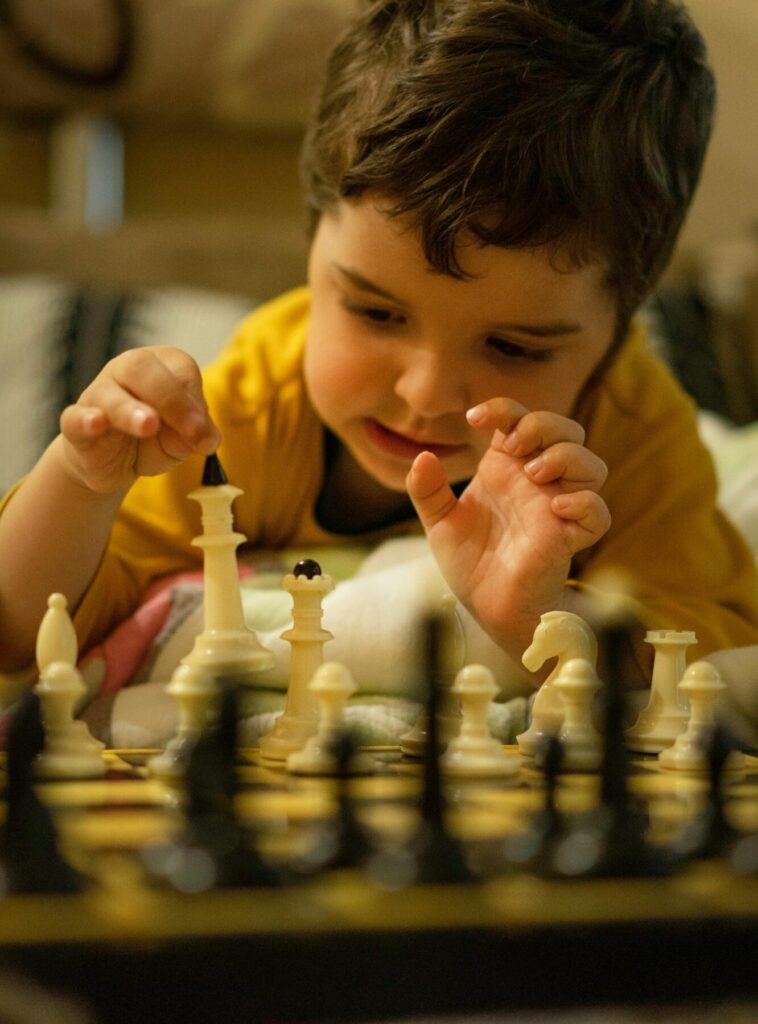
young child exploring chess pieces through play and visual learning
Children under 5 learn best through play and visual exploration

Yes — but the approach must be different.

Children under 5:

  • Learn through play, not instruction
  • Have shorter attention spans
  • Struggle with structured lessons

Focus on:

  • Recognizing pieces
  • Simple movement
  • Fun mini-games
  • Visual learning

Avoid:

  • Long sessions
  • Heavy rules
  • Complex strategies

This stage is exposure, not training.

Is 8–10 Too Late to Start Chess?

Absolutely NOT.

In fact, children aged 8–10 often improve faster.

Why?

  • Better concentration
  • Stronger memory
  • Ability to understand strategy
  • More discipline

With the right guidance, they can outperform early starters.
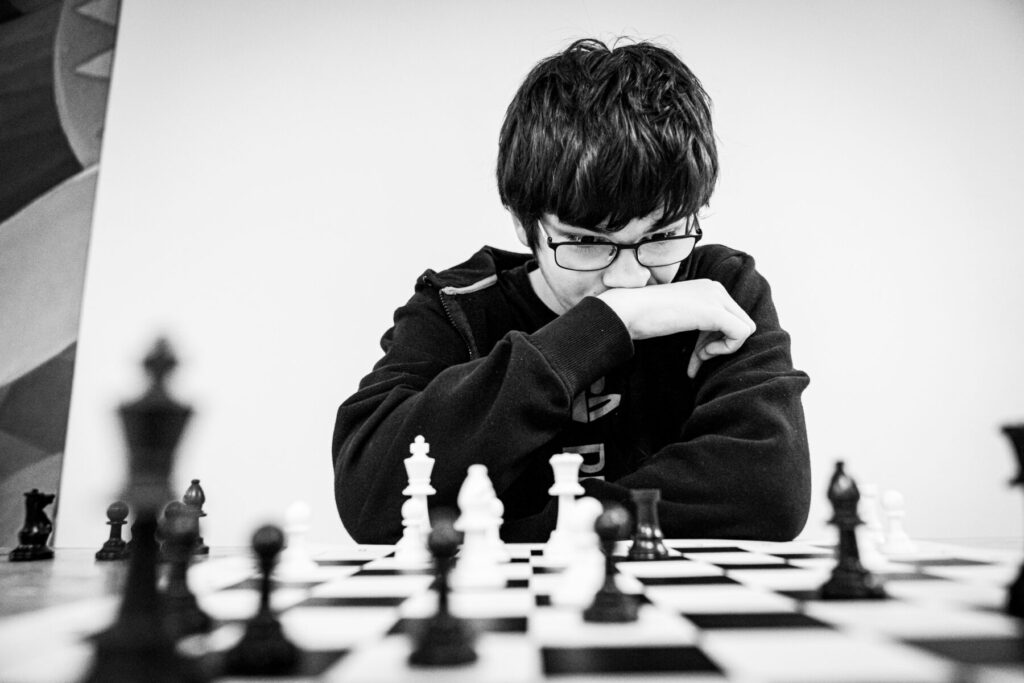
The Myth of the “Perfect Age”

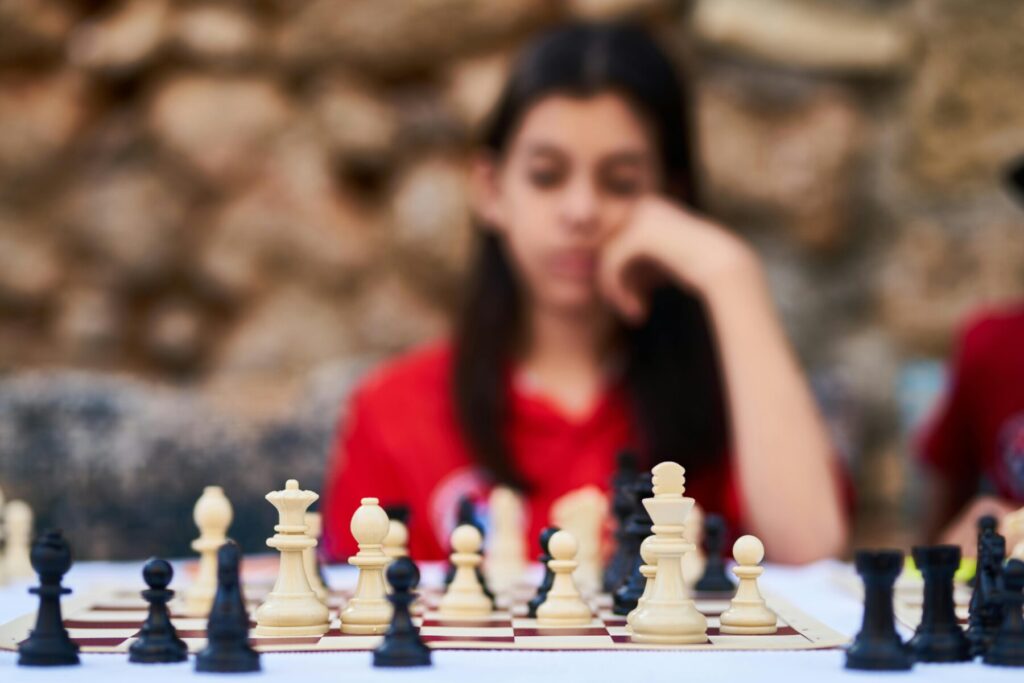
child looking frustrated while playing chess representing fear of starting late
It’s never too late to start learning chess with the right approach

Many parents worry they’ve missed the “perfect age”.

This belief comes from hearing that strong players start early.

But here’s the truth:

  • Starting early helps — but it does NOT guarantee success
  • Starting later is completely fine—if done correctly

A child who starts at 10 with proper structure can easily outperform one who started at 5 without guidance.

Is 10+ Too Late to Learn Chess?

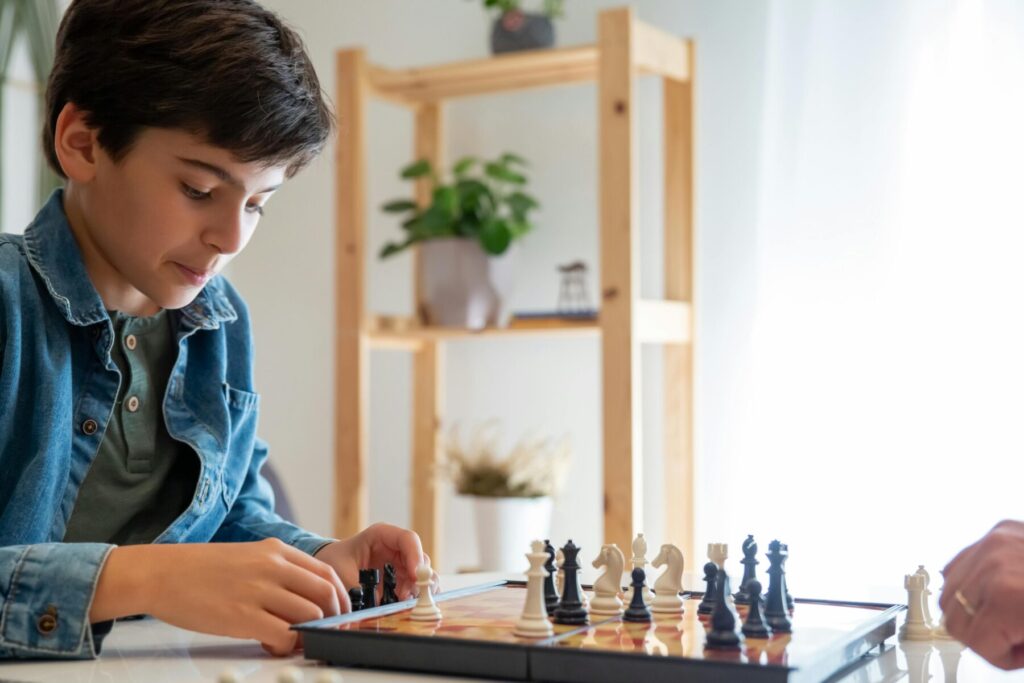
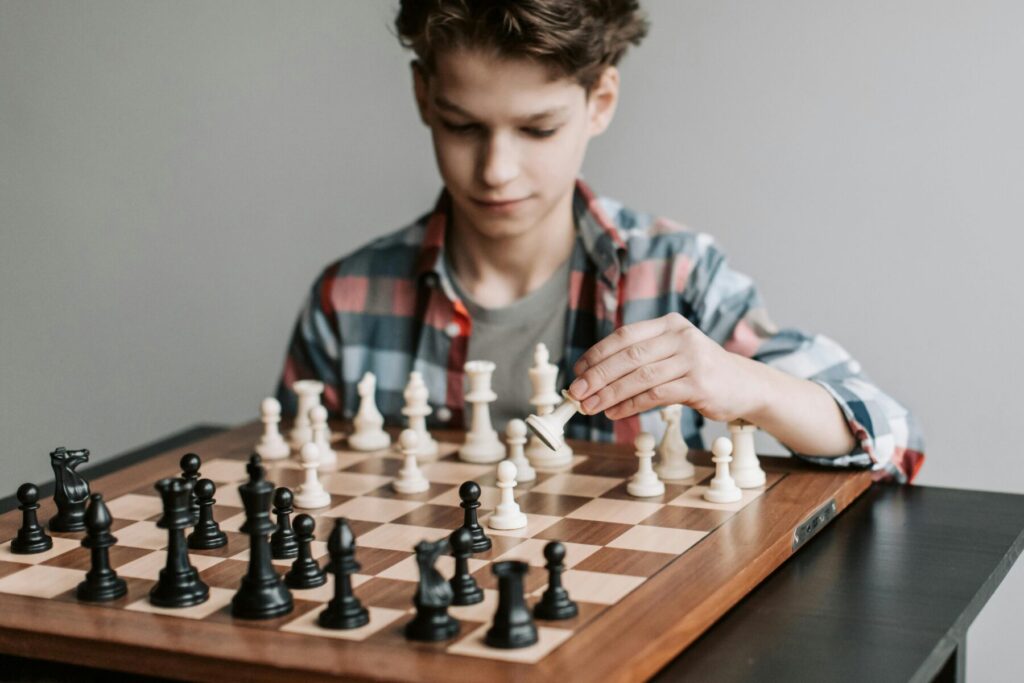
child thinking deeply while playing chess showing logical understanding
Older beginners often develop deeper understanding of chess concepts

No— and this is important to understand.

Advantages of Starting at 10+

Better Focus

Older children can sit longer and concentrate better during lessons and games.

Stronger Logical Thinking

They tend to understand why moves work, not just what to play, which accelerates their conceptual grasp.

Faster Learning Speed

Older children require fewer repetitions to grasp complex concepts.

Example Comparison

A younger child might learn a fork simply by repeating puzzles. An older beginner, however, understands the core principle: “This move attacks two pieces at once, so I win material.”

This more profound understanding often leads to faster improvement.

The Real Challenge for Older Beginners

The challenge is NOT learning ability — it’s mindset.

Older kids:

  • Expect fast results
  • Get frustrated after losses
  • Compare themselves to others

This is where structured coaching becomes critical.

What Matters More Than Age (This Is Critical)

Age matters — but it’s NOT the deciding factor.

The real difference is as follows:

adult guiding child during chess game showing structured learning and feedback
Structured guidance and feedback drive real improvement in chess

1. Structured Learning Path

Random learning leads to random results.

A proper system should include:

  • Clear progression (beginner → intermediate)
  • Defined skill goals
  • Step-by-step improvement

Without structure, children often plateau early and don’t know how to move forward. If you are looking for structured guidance, consider our Online Chess Coaching programs to ensure your child builds skills systematically.

2. Feedback and Correction

children analyzing chess game and learning from mistakes
Feedback helps children correct mistakes and improve faster

Many children play dozens of games, but never improve because no one corrects their mistakes.

Without consistent feedback:

  • Blunders repeat
  • Bad habits form
  • Progress slows down

Correction is where real improvement happens.

3. Balance Between Tactics and Thinking

Focusing solely on solving puzzles or playing games is a common mistake that leads to incomplete training.

Children need a balance between:

  • Pattern recognition (tactics)
  • Decision-making skills (thinking process)

This balance is what turns raw knowledge into consistent performance during a game.

4. Consistency Over Intensity

child practicing chess regularly showing focused learning routine
Consistent daily practice leads to steady chess improvement

This is one of the most important insights for parents to remember.

  • Two hours once a week leads to minimal improvement.
  • Twenty to thirty minutes daily leads to consistent growth.

Chess is a skill built through repetition and habit, not long, infrequent sessions.

🔹 If Your Child Is Not Improving

If your child is learning but not improving, the issue is usually not age — it’s a lack of structure.

  • A structured system dramatically improves progress.
  • Learn how structured chess coaching works

Common Mistakes Parents Make

child attending online chess lesson showing importance of guided learning
Lack of guidance is one of the biggest mistakes in chess learning

Avoid these common mistakes:

❌ Waiting for the “Perfect Age”

Many parents delay starting because they think it’s too early or too late.

❌ Focusing Only on Rules

Knowing how pieces move is NOT enough.

Children need to learn:

  • Thinking patterns
  • Basic plans
  • Decision-making

❌ No Structured Training

Random learning leads to slow progress and frustration.

❌ Too Much Theory Too Early

Overloading children with complex ideas reduces interest.

❌ Ignoring Guidance

Without feedback, children repeat the same mistakes.

How to Start Your Child the Right Way

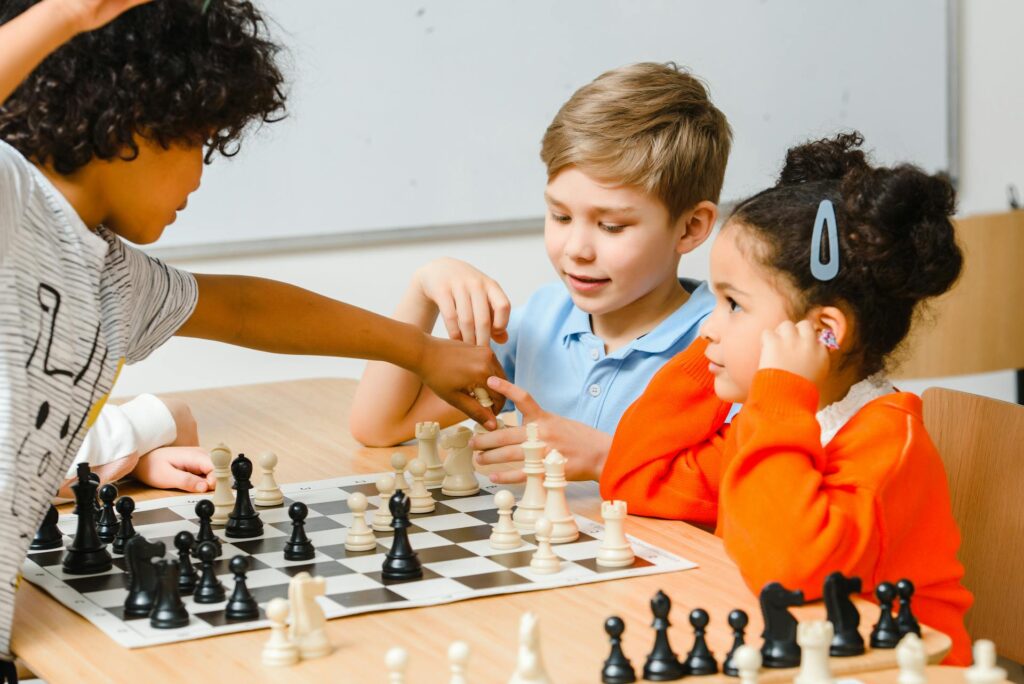
children learning chess together in engaging and interactive way
A structured and engaging approach helps children learn chess effectively

Here’s a simple plan:

Step 1: Start at the Right Level

Begin with basics — not advanced concepts.

Step 2: Keep It Engaging

Use interactive methods and real-game examples.

Step 3: Build a Routine

Consistency is more important than intensity.

Step 4: Focus on Thinking

Teach:

  • Why are moves played
  • How to plan
  • How to avoid mistakes

Step 5: Get Structured Support

Guided learning accelerates improvement significantly.

Frequently Asked Questions

What is the ideal age to start chess?

5–7 years is ideal, but children can start earlier or later successfully.

Can a 10-year-old learn chess?

Yes. Many 10-year-olds learn faster due to better focus and understanding.

Is 5 too early to learn chess?

No, but teaching should be fun and simple, not structured and intense.

Can older children still become strong players?

Yes, with proper training and consistency, they can improve rapidly.

What matters most in learning chess?

Structured training, guidance, and consistent practice matter more than age.

Why This Matters Right Now

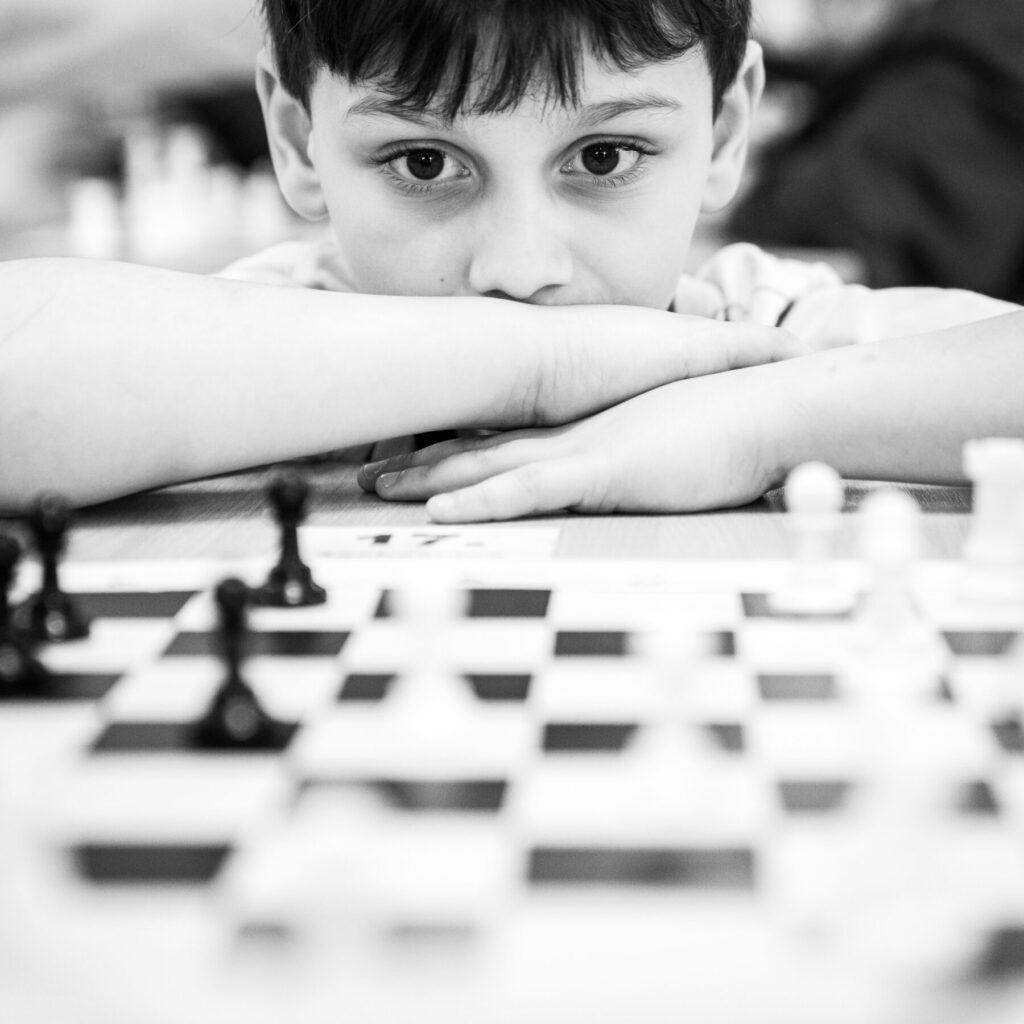
child concentrating while playing chess developing focus and thinking skills
Chess builds focus, problem-solving, and critical thinking skills

Today, children are surrounded by passive entertainment.

Chess offers something different:

  • Critical thinking
  • Focus
  • Problem-solving
  • Confidence

Starting at the right time — and in the right way — can shape how your child learns and thinks.

Final Thoughts

So what is the best age?

  • 5–7 → Ideal
  • 8–12 → Excellent
  • Later → Still completely fine

The real mistake is not starting late —
It’s starting without direction.

Not Sure Why Your Child Isn’t Improving?

Ask yourself:

  • Do they understand why they lose?
  • Are they improving or just playing?
  • Do they have a clear learning plan?

If not — that’s where most children get stuck.

Book a Structured Assessment

child learning chess with guidance showing personalized coaching support
Get a clear improvement plan with expert chess guidance

We analyze:

  • Your child’s thinking process
  • Mistake patterns
  • Learning speed

And give you a clear improvement roadmap.

👉 Book your assessment here:

Book an Assessment Session

Start now—but start the right way.

Leave a Comment

Your email address will not be published. Required fields are marked *

Scroll to Top