
Best Age to Learn Chess: The Complete Parent Guide
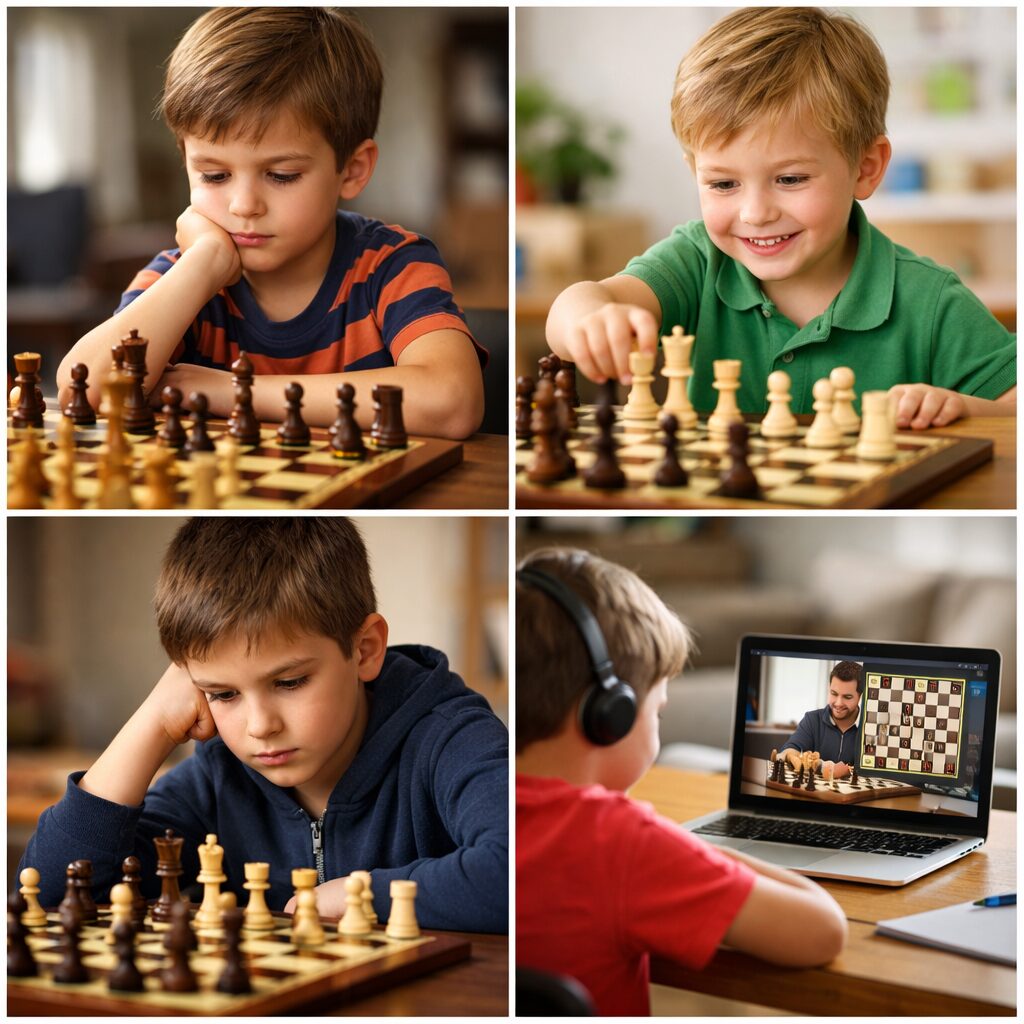
Quick Answer: For most children, ages 5–7 are often the ideal time to begin learning chess because many children can understand rules, focus for short periods, and enjoy structured learning. However, there is no single perfect age. The best time to start is when a child shows curiosity, can follow simple instructions, and is ready to enjoy the game.
Introduction
Many parents wonder whether there is a perfect age to start learning chess.
Some worry that starting too early may overwhelm their child. Others worry that starting too late will put their child at a disadvantage compared to children who began learning at a younger age.
As a chess coach, this is one of the most common questions I hear from parents.
The good news is that there is no single age that guarantees success in chess.
While many children begin learning chess between the ages of 5 and 7, successful chess players start at a wide variety of ages. Some children are ready earlier. Others develop interest and focus later and still make excellent progress.
What matters most is not simply when a child starts chess, but how they are introduced to the game.
If you’re wondering what children typically learn, how they progress, and what parents can expect at different stages, our comprehensive guide to Chess for Kids explains the complete learning journey.
A child who starts at age 10 with proper guidance, structured training, and consistent practice will often improve faster than a child who started at age 5 but received little direction.
The ideal starting age depends on several factors, including:
• Attention span
• Ability to follow rules
• Interest in learning
• Emotional maturity
• Quality of coaching and guidance
In this guide, you’ll learn:
• The ideal age to start chess
• Whether children can learn before age 5
• Whether 8, 10, or even older is too late
• Signs your child is ready for chess
• Common mistakes parents make
• What matters more than age when learning chess
By the end, you’ll know exactly when and how to introduce chess in a way that gives your child the best chance to enjoy the game and improve successfully.
Table of Contents
Quick Answer: What Is the Best Age to Learn Chess?
The best age for most children to start learning chess is between 5 and 7 years old.
At this age, children usually have the attention span, curiosity, and ability to follow rules needed to enjoy and understand the game. They can begin learning chess fundamentals while developing important thinking skills such as concentration, planning, and problem-solving.
However, there is no single “perfect” age that guarantees success.
Some children are ready as early as age 4, while others may start at age 8, 10, or even later and still become very strong players. The most important factors are interest, consistency, and proper guidance.
The biggest mistake parents make is focusing too much on age and not enough on readiness. A motivated child who receives structured coaching will almost always improve faster than a child who starts early without direction.
Quick Decision Guide for Parents
| Child’s Age | Recommendation |
| 3–4 | Introduce through play |
| 5–7 | Begin structured lessons |
| 8–10 | Start immediately |
| 10–13 | Focus on rapid improvement |
| Teenagers | Build competitive skills |
| Adults | Learn for improvement and enjoyment |
What I’ve Observed After Coaching Thousands of Students
Parents often ask whether starting at age 4, 6, or 8 gives a child a major advantage in chess.
After working with students across different age groups, I have noticed that age is rarely the deciding factor.
Children who enjoy the learning process, receive structured guidance, and practice consistently often improve faster than children who simply start earlier.
Some students begin chess at age five and progress steadily. Others discover chess at nine or ten and improve remarkably quickly because they are ready to focus, learn, and think independently.
The most important question is usually not “What is the perfect age?”
The better question is:
“Is my child ready to enjoy and engage with the game?”
When the answer is yes, that is often the best time to start.
Why Parents Ask This Question
Parents often worry about whether their child is starting too early or too late.
This concern is understandable because many famous chess players began learning when they were very young. Parents hear stories about grandmasters starting at age 5 or 6 and assume that if their child doesn’t start at the same age, they have missed their opportunity.
In reality, chess improvement is much more complex than simply starting early.
Starting young can provide additional years of experience, but experience alone does not guarantee success. Many children start chess at a young age and never progress beyond the basics. Others begin much later and improve rapidly because they have better focus, stronger study habits, and access to quality coaching.
Another reason parents ask this question is because they want to make the best decision for their child’s development.
They wonder:
- Will chess be too difficult?
- Will my child lose interest?
- Should I wait another year?
- Will starting later create a disadvantage?
- How do I know if my child is ready?
These are valid questions, but the answer is rarely based on age alone.
Every child develops at a different pace. Two children who are both six years old can have completely different attention spans, learning styles, and levels of interest.
This is why experienced chess coaches focus less on age and more on readiness.
A child who enjoys solving problems, follows instructions, and can focus for short periods is often ready to begin learning chess, regardless of whether they are 5, 6, 7, or even older.
What Is the Best Age to Learn Chess?
For most children, ages 5 to 7 provide the ideal balance between curiosity and learning ability.
At this stage, children begin developing the cognitive skills needed to understand how the game works. They can remember rules, recognize patterns, and start thinking about the consequences of their moves.
Children in this age group are also naturally curious. They enjoy discovering new ideas and often find chess exciting because every game presents a new challenge.
Several factors make ages 5–7 particularly effective:
Attention Span
Children can usually focus for longer periods compared to their preschool years. This makes it easier to complete lessons, solve puzzles, and play full games.
Ability to Follow Rules
Chess has clear rules and structure. Children around this age are typically able to understand and follow those rules consistently.
Pattern Recognition
One of the most important chess skills is recognizing patterns. Between ages 5 and 7, children begin developing this ability rapidly.
Curiosity and Learning Speed
Children often enjoy discovering how pieces move, finding checkmates, and learning tactical ideas. This enthusiasm accelerates improvement.
Despite these advantages, it is important to remember that age alone does not determine success.
I have worked with children who started at age 10 and improved faster than children who began at age 6. The difference was not age—it was focus, consistency, and structured learning.
The best age to learn chess is the age when a child is interested, engaged, and supported by a clear learning system.
What Is the Best Way to Introduce Chess to a Child?
Many parents focus on finding the perfect age to start chess. In my experience, the way chess is introduced often matters more than the exact age.
A child who enjoys the first few chess experiences is far more likely to continue learning than a child who feels pressured to perform from day one.
The goal during the early stages is not tournament success. The goal is curiosity, enjoyment, and confidence.
Parents often ask what the first few lessons should actually look like. We’ve put together a practical guide that explains how to teach children chess step by step at home.
Start With Curiosity, Not Competition
One mistake I frequently see is introducing chess as a serious subject that must be mastered immediately.
Young children usually respond much better when chess feels like a game of discovery.
Instead of focusing on winning, encourage them to explore the pieces, make moves, ask questions, and enjoy the experience.
Teach Piece Movement Gradually
Children do not need to learn every rule in a single session.
A more effective approach is introducing pieces one at a time.
- Start with pawns
- Add rooks
- Introduce bishops
- Then the queen
- Finally bring all the pieces together
This makes learning feel manageable and enjoyable.
Use Mini-Games Before Full Games
Many children learn faster through simple chess activities before playing complete games.
Examples include:
- Pawn battles
- Piece capture challenges
- King and rook checkmate practice
- Find the attacking piece exercises
Mini-games help children understand ideas without becoming overwhelmed.
Keep Sessions Short
For most children aged 5–7, 10 to 20 minutes of focused learning is often more productive than long lessons.
Short positive experiences build enthusiasm and consistency.
Avoid Correcting Every Mistake
Children learn by experimenting.
If every move is immediately corrected, they may become hesitant and lose confidence.
Allow mistakes, ask questions, and guide them toward discovering better moves.
Focus on Enjoyment Before Results
After coaching students for many years, I have noticed that children who genuinely enjoy chess often improve faster in the long run than children who start under pressure.
When enjoyment comes first, improvement usually follows naturally.
Avoid These Early Introduction Mistakes
Parents naturally want their children to improve quickly. However, a few common mistakes can make the learning experience harder than it needs to be.
Trying to Teach Every Rule at Once
Learning chess becomes overwhelming when too much information is introduced in a single sitting.
Progressive learning usually works better.
Focusing Too Much on Winning
In the early stages, children benefit more from learning and exploration than from worrying about results.
Using Chess as Academic Pressure
Chess should feel challenging and engaging, not like another school subject with constant performance expectations.
Signs Your Child Is Ready to Learn Chess
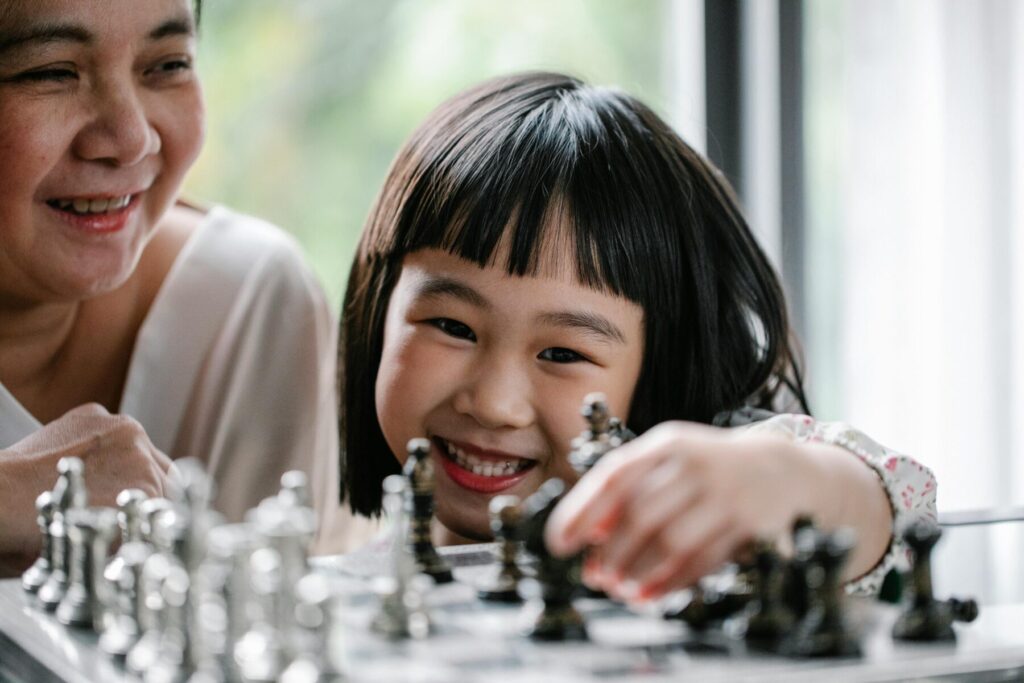
Many parents focus on finding the perfect age to start chess, but age is only one factor. A better question is, ‘Is my child ready to learn chess?’
Children develop at different rates. Some are ready at age 4, while others may be more prepared at age 6 or 7. Instead of focusing solely on age, look for signs that your child has the attention span, curiosity, and mindset needed to enjoy learning the game.
Here are some common indicators that a child is ready to start chess:
| Sign | Why It Matters |
|---|---|
| Can focus for 15–20 minutes | Helps them stay engaged during lessons and games |
| Follows simple instructions | Makes it easier to learn rules and concepts |
| Enjoys puzzles and problem-solving | Chess is built around finding solutions to challenges |
| Likes board games | Shows interest in structured thinking activities |
| Shows curiosity | Encourages exploration and learning |
| Handles winning and losing reasonably well | Supports long-term enjoyment and growth |
Your Child Does Not Need Every Sign
Many parents assume their child must be exceptionally intelligent or highly focused before learning chess. This is not true.
Most children develop these skills while learning the game. Chess itself helps improve concentration, patience, decision-making, and problem-solving abilities. If you’re interested in how chess supports a child’s overall development beyond the game itself, our guide on the Benefits of Chess for Kids explores these long-term advantages in more detail.
If your child shows interest and can follow simple instructions, that is often enough to begin.
Signs Your Child May Not Be Ready Yet
Sometimes waiting a few months can make the learning experience much more enjoyable.
Your child may benefit from a delayed start if they:
- Become frustrated very quickly
- Struggle to sit still for even a few minutes
- Have no interest in games or puzzles
- Strongly resist structured activities
In these cases, introducing chess through fun activities and mini-games is often more effective than formal lessons.
Remember: Interest Matters More Than Age
One of the biggest mistakes parents make is waiting for the “perfect age.”
A motivated 8-year-old who wants to learn chess will usually make faster progress than a reluctant 5-year-old who is forced into lessons.
Interest creates consistency, and consistency is one of the strongest predictors of long-term improvement.
When children enjoy the learning process, they practice more, pay closer attention, and develop stronger chess skills over time.
Should Your Child Start Chess Now?
Use this simple guide:
- Can your child focus for 10–15 minutes?
- Can they follow simple instructions?
- Do they enjoy games, puzzles, or challenges?
- Are they curious about learning something new?
If you answered yes to most of these questions, your child is likely ready to start learning chess.
If not, consider introducing chess through fun mini-games and playful activities before beginning structured lessons.
Can Children Learn Chess Before Age 5?
Yes, children can absolutely be introduced to chess before age 5. However, the way they learn should be very different from how older children are taught.
Many parents hear stories about strong chess players starting at age 4 and wonder whether they should begin formal lessons immediately. In most cases, young children learn best through play, exploration, and simple activities rather than structured instruction.
The goal before age 5 is not to create a competitive chess player. The goal is to build familiarity, curiosity, and enjoyment.
What Can a 3- or 4-Year-Old Learn?
Children under 5 are often capable of learning basic chess concepts such as:
- Recognizing chess pieces
- Learning the names of the pieces
- Understanding how individual pieces move
- Following simple chess-related games
- Identifying the king and queen
- Playing mini-games on part of the board
Challenges of Starting Before Age 5
Although some children can learn surprisingly quickly, there are several challenges parents should understand.
- Short attention spans
- Limited ability to think ahead
- Difficulty sitting through long lessons
- Struggles with remembering multiple rules at once
These challenges are completely normal and should not be viewed as signs that a child cannot learn chess.
The Best Approach for Preschool Children
For most children under 5, chess should feel like a game rather than a subject.
Focus on:
- Fun activities
- Short lessons
- Visual learning
- Simple puzzles
- Positive encouragement
When children enjoy their early experiences with chess, they are much more likely to stay interested and continue learning as they grow older.
Best Age to Learn Chess by Age Group
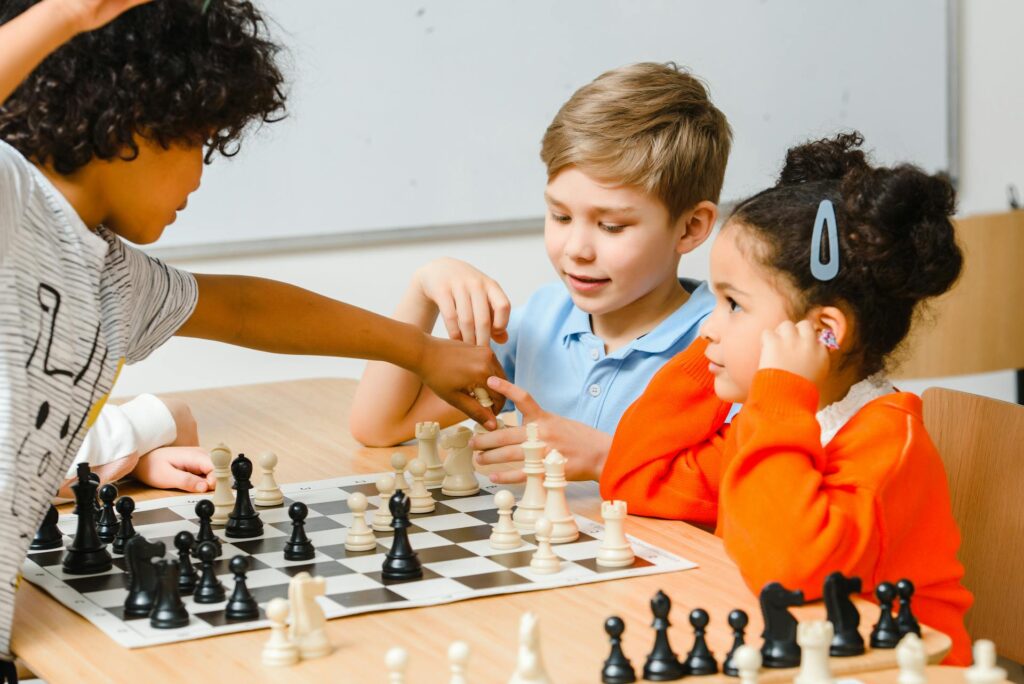
One reason parents struggle to find a clear answer is that the ideal approach to learning chess changes with age.
A 4-year-old learns differently from an 8-year-old. A teenager learns differently from both.
The good news is that every age group has unique advantages. Let’s look at what parents can realistically expect at each stage.
Ages 3–4: Learning Through Play
Children between the ages of 3 and 4 can be introduced to chess, but formal instruction is usually unnecessary.
At this stage, the focus should be on exposure rather than improvement.
Young children can:
- Recognize chess pieces
- Learn piece names
- Understand basic movement patterns
- Play simple mini-games
- Develop curiosity about the board
Lessons should be short, engaging, and highly interactive.
The goal is not to teach strategy. The goal is to build familiarity and enjoyment.
Ages 5–6: The Ideal Starting Window
For many children, ages 5 to 6 represent the ideal time to begin structured chess learning.
At this age, children are usually able to:
- Follow instructions
- Understand rules
- Focus for longer periods
- Learn basic tactics
- Play complete games
This is why many chess academies begin beginner programs around this age.
At this stage, children are usually ready to build strong chess fundamentals, including:
- Checkmate patterns
- Basic tactics
- Opening principles
- Chess notation
- Board vision
- A simple thinking process before each move
When lessons remain enjoyable and age-appropriate, children often make excellent progress.
Many families find that regular, structured lessons help children build these fundamentals with confidence. If you’re exploring guided learning, our Online Chess Classes for Kids explain how live, interactive lessons can help children develop good habits from the very beginning.
Ages 7–9: A Powerful Learning Stage
Many coaches consider ages 7–9 one of the strongest periods for chess development.
Children in this age range often combine curiosity with improved focus and reasoning skills.
Advantages include:
- Longer attention spans
- Stronger memory
- Better pattern recognition
- Greater ability to calculate moves
- Improved emotional maturity
Children who start chess during this stage can progress rapidly when provided with structured training.
This is also an excellent age to begin participating in beginner tournaments.
Ages 10–13: Fast Improvement Potential
Many parents worry that they have started too late when their child reaches age 10 or older.
In reality, children in this age group often learn faster than younger beginners.
They typically benefit from:
- Stronger concentration
- Better logical thinking
- Improved self-discipline
- Greater ability to understand strategy
- More efficient learning habits
Older beginners often need fewer repetitions to understand concepts.
While younger children may memorize patterns, older children frequently understand the underlying ideas more quickly.
This can lead to surprisingly fast improvement.
Teenagers: Still Plenty of Time to Become Strong
Teenagers often underestimate how much progress they can make in chess.
Although they may be competing against players who started earlier, they possess several advantages.
- Better study habits
- Greater independence
- More advanced reasoning skills
- Ability to analyze their own games
- Improved self-awareness
Many teenagers make significant rating gains within a relatively short period because they learn concepts quickly and can study more effectively.
For teenagers interested in competitive chess, structured training can still produce excellent results.
Adults: It’s Never Too Late
Although this article focuses primarily on children, many adults wonder whether they are too old to learn chess.
The answer is simple: absolutely not.
Adults may not become world champions, but they can still become strong club players, enjoy competitive games, and experience the intellectual benefits of chess.
Adults often bring:
- Patience
- Discipline
- Motivation
- Analytical thinking skills
Chess remains one of the few activities that can be started and enjoyed at virtually any age.
Which Age Group Has the Biggest Advantage?
If the goal is long-term development, ages 5–7 provide the best balance of readiness and learning potential.
If the goal is rapid improvement, older children and teenagers often progress faster because they can understand concepts more quickly.
This is why there is no single perfect age.
The best age to learn chess is the age when a student is interested, engaged, and willing to learn consistently.
What Science Says About Learning Chess
Many parents want to know whether there is scientific evidence behind the recommended starting age for chess.
While researchers have not identified a single “perfect age” to learn chess, studies on child development help explain why many children are ready to begin structured learning between ages 5 and 7.
Chess relies on several mental skills that develop gradually throughout childhood. As these skills improve, children become better equipped to understand the game, solve problems, and make decisions independently.
Attention Span
One of the biggest factors affecting chess learning is attention span.
Young children can often focus for only a few minutes before becoming distracted. As they grow older, they develop the ability to concentrate for longer periods and stay engaged with more complex activities.
This is important because chess requires sustained attention. Players must observe the board, think about possible moves, and avoid simple mistakes.
Children who can focus for 15–20 minutes are usually able to benefit much more from structured chess lessons.
Working Memory
Working memory is the ability to hold information in your mind while using it.
In chess, children constantly rely on working memory.
For example, they must remember:
- How pieces move
- Threats created by the opponent
- Possible responses
- Their own plans and ideas
As working memory develops, children become better at considering multiple possibilities before making a move.
This helps explain why many children find chess easier to learn as they grow older.
Pattern Recognition
Strong chess players do not calculate every position from scratch.
Instead, they recognize familiar patterns.
For example, experienced players quickly identify the following:
- Forks
- Pins
- Skewers
- Checkmate patterns
- Common tactical ideas
Pattern recognition improves through both age and practice.
The more children play, solve puzzles, and analyze games, the faster they develop this critical chess skill.
Problem-Solving Skills
Every chess game presents a series of problems.
Players must evaluate positions, identify threats, and find effective solutions.
This process strengthens critical thinking and decision-making abilities.
Many parents appreciate chess because it encourages children to think independently rather than simply memorizing answers.
Executive Function
Executive function refers to a collection of mental skills that help children manage their behaviour, attention, and decision-making.
These skills include:
- Planning
- Self-control
- Organization
- Flexible thinking
- Decision-making
Executive function plays an important role in chess because players must constantly plan ahead and evaluate consequences.
As children mature, these abilities naturally improve, making it easier for them to understand strategic concepts.
What This Means for Parents
The science of child development supports a simple conclusion:
Most children become ready for structured chess learning between ages 5 and 7 because their attention span, memory, and problem-solving abilities are developing rapidly during this stage.
However, this does not mean younger children cannot learn chess or older children have missed their opportunity.
Every child develops differently.
Some 4-year-olds are ready to begin learning chess concepts. Some 8-year-olds may be ready for advanced training. Others may need more time.
The goal is not to force children into learning at a specific age.
The goal is to introduce chess when they are ready to enjoy the experience and benefit from it.
Do Future Grandmasters Need to Start Chess Early?
One reason many parents worry about the best age to learn chess is that they hear stories about world champions who started very young.
Many elite players were indeed introduced to chess during childhood. However, this often creates a misunderstanding.
Parents sometimes assume that starting early automatically leads to success.
The reality is much more complicated.
Starting early can provide more years of experience, but experience alone does not create a strong chess player.
Improvement depends on many factors, including quality coaching, consistent practice, tournament experience, motivation, and long-term commitment.
When Did Famous Chess Players Start?
| Player | Approximate Starting Age | Achievement |
|---|---|---|
| Magnus Carlsen | 5 | World Champion |
| Garry Kasparov | 6 | Former World Champion |
| Viswanathan Anand | 6 | Former World Champion |
| Arjun Erigaisi | Early childhood | Indian Grandmaster |
These examples show that many top players started young. However, they do not prove that every child must start at the same age.
What often gets overlooked is the thousands of hours of focused training, coaching, competition, and deliberate practice that followed.
Starting Early Helps, But It Is Not Enough
Imagine two children.
Child A starts chess at age 5 but receives little guidance and practices inconsistently.
Child B starts at age 9 but follows a structured training program, receives regular feedback, and practices consistently.
In many cases, Child B will improve much faster.
This is why experienced coaches focus on learning quality rather than simply starting age.
What Coaches See in Real Life
As a chess coach, I have taught children who started at very different ages.
Some children begin at age 5 and progress steadily over several years.
Others start at age 9 or 10 and make rapid improvements because they are more focused, more independent, and better able to understand complex ideas.
The strongest predictor of success is rarely age alone.
More important factors include:
- Interest in chess
- Consistency of practice
- Quality of instruction
- Ability to learn from mistakes
- Supportive learning environment
Can a Child Become Strong Without Starting at 5?
Absolutely.
Many children start chess after age 8 and still achieve excellent results.
They may not have the same number of years of experience as early starters, but they often compensate with stronger concentration, better study habits, and faster learning speed.
For most families, the goal is not to produce a world champion.
The goal is to help children develop valuable skills, enjoy the game, and reach their own potential.
From that perspective, there is no age at which a motivated child is “too late” to begin learning chess.
The Real Lesson for Parents
World champions often started young, but they also worked hard, received excellent coaching, and maintained a long-term commitment to improvement.
The lesson is not that every child must start at age 5.
The lesson is that children improve the most when they receive structured guidance and enjoy the learning process.
If your child is interested in chess today, that is usually a much better indicator of success than the age printed on their birth certificate.
Is It Ever Too Late to Learn Chess?
One of the biggest concerns parents have is whether their child has missed the “ideal” age to start learning chess.
The short answer is no.
While many children begin learning between the ages of 5 and 7, there is no age after which meaningful improvement becomes impossible. In fact, older beginners often have advantages that help them learn more efficiently.
The way a child learns may change with age, but the opportunity to become a strong chess player remains.
Ages 8–10: An Excellent Time to Begin
Many parents worry that starting chess at ages 8–10 is too late because some children have already been playing for several years.
In reality, this is often one of the best ages to begin learning chess.
Children in this age group usually have:
- Longer attention spans
- Better reading and comprehension skills
- Improved problem-solving abilities
- Greater emotional maturity
- Stronger focus during lessons
These qualities often allow them to understand chess concepts more quickly than younger beginners.
I’ve worked with many students who started at this age and progressed rapidly because they were ready to learn consistently and think independently.
Ages 10–13: Rapid Improvement Is Common
Children who begin chess between the ages of 10 and 13 frequently improve faster than parents expect.
By this stage, they can usually:
- Understand strategic ideas more easily
- Analyse their own games
- Follow structured study plans
- Solve more challenging tactical puzzles
- Learn from feedback more effectively
Although they may have fewer years of experience than early starters, they often make up for it through stronger concentration and more efficient learning habits.
Teenagers: Still Plenty of Time to Become Strong
Teenagers sometimes believe they have started too late because they compare themselves with players who began in early childhood.
However, teenagers possess several important advantages:
- Independent study skills
- Better analytical thinking
- Greater self-discipline
- Stronger ability to review mistakes
- More mature decision-making
With regular practice and structured learning, teenagers can make significant improvements and enjoy both recreational and competitive chess.
Adults: Learning Chess Later in Life
Chess is one of the few activities that can be started and enjoyed at almost any age.
Adults often bring qualities that younger learners are still developing, including:
- Patience
- Discipline
- Consistency
- Goal-oriented learning
- Life experience in problem-solving
While becoming a world champion may be unrealistic for most adult beginners, becoming a strong club player, enjoying tournament chess, and continually improving are very realistic goals.
Many adults also discover that chess provides lifelong intellectual enjoyment while helping them develop concentration, planning, and decision-making skills.
For most families, the best time to begin learning chess is simply when the learner is interested, ready to learn, and supported with the right guidance.
What Matters More Than Age?
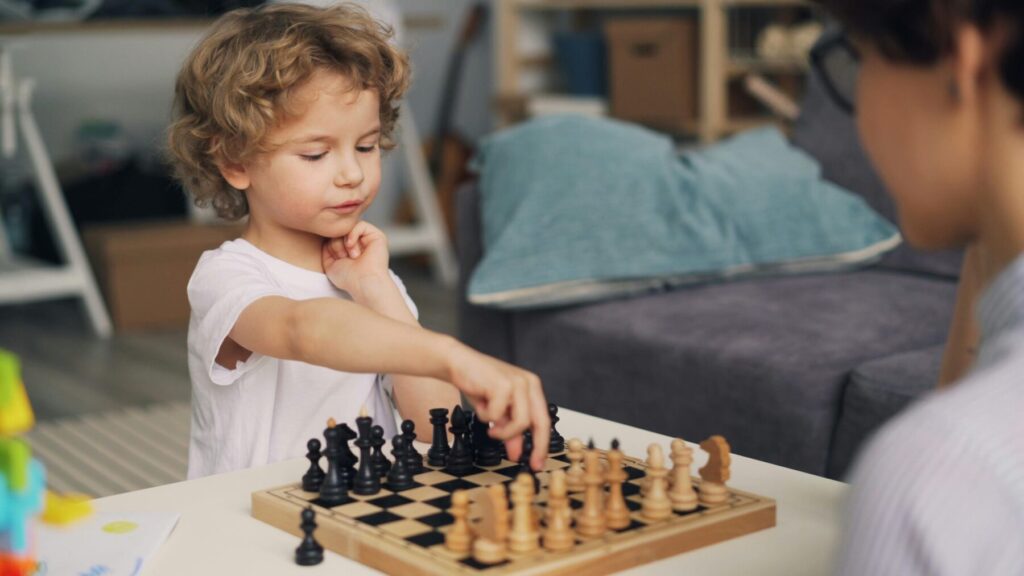
Many parents spend a lot of time worrying about the perfect age to start chess.
While age can influence how a child learns, it is rarely the factor that determines long-term success.
My Experience as a Chess Coach
Over the years, I have coached children ranging from complete beginners to experienced tournament players. One pattern I consistently see is that starting age matters far less than interest, consistency, and proper guidance.
Some of the fastest-improving students I have worked with actually started at ages 8–10 because they were highly motivated, focused, and willing to learn. On the other hand, some children who started much earlier made slower progress because they lacked structure or interest.
When children enjoy the learning process and receive clear guidance, they often improve much faster than parents expect. This is why I encourage parents to focus less on finding the perfect age and more on creating the right learning environment.
In my experience, a motivated child who starts today is usually better off than a child who waits for the “perfect” time to begin.
1. Interest and Motivation
Interest is often the strongest predictor of improvement.
A child who genuinely enjoys chess will naturally spend more time learning, practicing, and thinking about the game.
They are more likely to:
- Solve puzzles willingly
- Play practice games
- Ask questions
- Learn from mistakes
- Stay engaged during lessons
By contrast, a child who is forced into chess often loses interest quickly, regardless of how early they started.
When possible, encourage curiosity rather than pressure.
2. Consistency
Chess improvement is built through regular practice.
Many parents assume that long study sessions are necessary, but consistency is usually more important than intensity.
For example:
- 20 minutes daily is often better than 2 hours once a week.
- Regular puzzle solving develops pattern recognition.
- Frequent play reinforces learning.
- Small improvements accumulate over time.
Children who engage with chess consistently tend to improve much faster than those who practice only occasionally.
3. Quality Coaching
One of the biggest differences between casual players and strong improvers is the quality of guidance they receive.
Without guidance, children often repeat the same mistakes for months or even years.
Good coaching provides the following:
- A clear learning path
- Age-appropriate instruction
- Personalized feedback
- Structured improvement plans
- Motivation and accountability
Quality coaching helps children spend their time learning the right things instead of guessing what to study next. Many children improve more quickly when they follow a structured learning plan with regular feedback. Whether that guidance comes from an experienced coach, a school chess program, or online chess coaching, having a clear learning pathway helps children understand what to learn next, build strong fundamentals, and improve with confidence.
4. Deliberate Practice
Simply playing chess is not always enough to improve.
Strong players develop by practicing with purpose.
This includes:
- Solving tactical puzzles
- Reviewing games
- Learning endgames
- Studying basic strategy
- Understanding mistakes
Deliberate practice helps children build skills much faster than random play.
5. Feedback and Correction
Feedback is one of the most powerful tools for improvement.
Children often repeat the same mistakes because they do not understand why those mistakes occurred.
Constructive feedback helps them:
- Recognize recurring errors
- Improve decision-making
- Develop better habits
- Gain confidence
- Accelerate learning
This is why game analysis is such an important part of chess training.
The Winning Formula
If a child starts chess at age 5 but lacks interest, consistency, and guidance, they may struggle to improve.
If another child starts at age 9 but enjoys learning, practices regularly, receives quality coaching, and learns from feedback, they may progress much faster.
That is why successful chess development is not about finding the perfect age.
It is about creating the right learning environment.
The best age to learn chess is the age when a child is interested, ready to learn, and supported by a clear system for improvement.
Common Mistakes Parents Make When Introducing Chess
Most children are capable of learning and enjoying chess. However, some parents unintentionally make mistakes that slow progress or reduce their child’s interest in the game.
The good news is that these mistakes are easy to avoid once you know what to look for.
1. Waiting for the “Perfect Age”
One of the most common mistakes is delaying chess because parents believe their child is either too young or too old.
In reality, there is no magical age that guarantees success.
A child who is interested and ready to learn can often start successfully regardless of whether they are 5, 7, 9, or even older.
Instead of asking, “Is this the perfect age?”, ask:
“Is my child interested and ready to learn?”
2. Focusing Only on How the Pieces Move
Many beginners spend weeks memorizing rules but never learn how to think during a game.
Knowing how the pieces move is important, but it is only the beginning.
Children also need to learn the following:
- How to identify threats
- How to make plans
- How to avoid mistakes
- How to evaluate positions
- How to think before moving
Without these skills, progress often stalls.
3. Expecting Fast Results
Chess is a long-term skill.
Some parents expect dramatic improvement after only a few weeks of lessons.
Like learning a language or a musical instrument, chess requires time, repetition, and practice.
Small improvements accumulate over months and years.
Patience is one of the most important ingredients in successful chess development.
4. Playing Games Without Reviewing Them
Many children play dozens of games every week, but never analyze what happened afterwards.
This often leads to repeated mistakes.
Improvement happens when children understand:
- Why they lost
- What mistakes they make
- What they could have done differently
- How to avoid similar errors in future games
Reviewing games is often more valuable than simply playing more games.
5. Starting Tournaments Too Early
Tournaments can be exciting, but introducing competition too soon sometimes creates unnecessary pressure.
Before entering tournaments regularly, children should have:
- Basic chess knowledge
- Comfort playing full games
- Reasonable emotional control
- A positive attitude toward learning
The goal should be development, not immediate results.
6. Comparing Children to Other Players
Every child learns differently.
Some improve quickly. Others improve more gradually.
Comparing a child to classmates, siblings, or tournament opponents often creates frustration and anxiety.
A much better approach is to compare a child with their past self.
Ask questions such as:
- Are they making fewer mistakes?
- Are they solving more puzzles?
- Are they understanding new concepts?
- Are they becoming more confident?
These indicators reveal real progress.
7. Making Chess Feel Like a Chore
Children learn best when they enjoy the process.
Excessive pressure, unrealistic expectations, or constant criticism can quickly reduce motivation.
Successful chess development balances learning with enjoyment.
Children should feel challenged, but they should also feel encouraged and supported.
The Best Approach for Parents
The most successful parents focus on long-term growth rather than short-term results.
They encourage effort, celebrate improvement, and create a positive learning environment.
Your Child’s First 30 Days of Chess: A Simple Parent Plan
Many parents know they want their child to learn chess but are unsure how to begin.
If your child is new to chess, focus on building interest and confidence during the first month rather than worrying about results.
Week 1: Explore the Pieces
- Learn piece names
- Understand how pieces move
- Play simple movement games
- Keep sessions short and enjoyable
Week 2: Play Mini-Games
- Pawn games
- Capture challenges
- Simple checkmate activities
Week 3: Begin Full Games
- Play complete games
- Focus on learning rather than winning
- Discuss interesting moves afterwards
Week 4: Build Consistency
- Solve beginner puzzles
- Play regularly
- Develop a simple learning routine
The goal during the first month is not to create a strong chess player. The goal is to help your child enjoy learning and develop positive chess habits.
What Should You Do Based on Your Child’s Age?
Many parents understand the benefits of chess but still feel unsure about when and how to start. If you’re still exploring how chess can support your child’s concentration, confidence, problem-solving, and overall development, our guide on the Benefits of Chess for Kids explains these long-term advantages in detail.
The right approach depends on your child’s age, attention span, interest level, and current experience.
Use the guide below to determine the best next step for your child.
If Your Child Is 3–4 Years Old
At this age, the goal is exposure rather than structured training.
Focus on:
- Introducing chess pieces
- Learning piece names
- Simple movement games
- Fun chess activities
- Short sessions of 5–10 minutes
Avoid formal study and complicated concepts.
The objective is to create positive experiences and curiosity.
If Your Child Is 5–6 Years Old
This is often the ideal age to begin structured chess lessons.
Children can usually:
- Follow instructions
- Understand rules
- Play complete games
- Solve simple puzzles
- Develop basic thinking habits
This is an excellent time to establish strong fundamentals and build confidence. Many parents choose structured online chess classes for kids at this stage to help children develop the right habits from the beginning.
Recommended focus:
- Checkmate patterns
- Basic tactics
- Opening principles
- Board vision
- Thinking process
If Your Child Is 7–9 Years Old
This age range offers a powerful combination of curiosity, focus, and learning speed.
Many children improve rapidly when they receive structured instruction.
Recommended focus:
- Tactical training
- Calculation skills
- Game analysis
- Tournament preparation
- Decision-making habits
This is often a great age to begin participating in beginner tournaments.
If Your Child Is 10–13 Years Old
Do not worry if your child is starting later.
Many children in this age group learn surprisingly fast because they can understand concepts more deeply.
Recommended focus:
- Structured study plans
- Game analysis
- Strategic concepts
- Tactical pattern recognition
- Competitive play
Older beginners often make rapid progress when they receive clear guidance.
If Your Child Is a Teenager
Teenagers have several advantages that younger children do not.
They can study independently, analyze their own games, and understand advanced concepts more quickly.
Recommended focus:
- Serious training routines
- Tournament preparation
- Opening understanding
- Endgame knowledge
- Self-analysis skills
Teenagers can still become very strong players and enjoy meaningful competitive success.
If Your Child Has Already Started but Is Not Improving
In many cases, the problem is not age.
The issue is usually one of the following:
- Lack of structure
- Inconsistent practice
- No feedback on mistakes
- Playing without studying
- Learning the wrong material
When improvement stalls, a clear training plan is often more valuable than simply spending more time playing games.
The Simplest Rule for Parents
If your child is interested in chess today, that is usually the best time to begin.
You do not need to wait for a perfect age.
You do not need to compare your child to future grandmasters.
You simply need a learning approach that matches your child’s current stage of development.
The combination of interest, consistency, and structured guidance will always matter more than finding the perfect starting age.
How to Help Your Child Improve at Chess
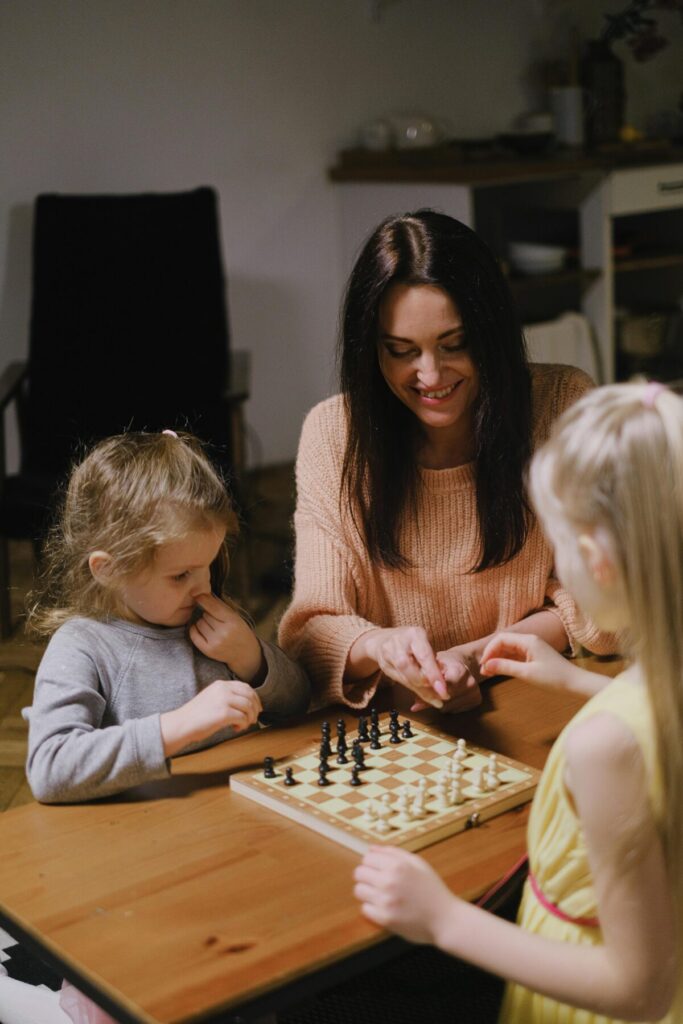
Starting chess is only the first step. Once a child learns the basics, many parents wonder how they can support steady improvement without creating pressure or making chess feel like a chore.
The good news is that chess improvement does not require hours of daily study. Consistent practice and the right learning habits are usually far more important than the amount of time spent.
Learn the Fundamentals
Strong chess players build their skills on a solid foundation. Before focusing on advanced openings or complex strategies, children should understand the basics well.
This includes:
- How the pieces move
- Basic checkmate patterns
- Simple tactical ideas
- Opening principles
- Fundamental endgames
A strong foundation makes future learning much easier. If your child is starting, structured Beginner Chess Lessons can help them learn the fundamentals in the correct order.
Solve Chess Puzzles Regularly
Chess puzzles are one of the fastest ways to improve tactical awareness and pattern recognition.
Even 10–15 minutes of puzzle solving a few times per week can help children spot opportunities and avoid common mistakes during games.
Consistency is more important than difficulty. Regular puzzle practice develops the thinking skills that strong players use every day. Learning common patterns through Chess Tactics for Beginners is one of the fastest ways to improve tactical awareness.
Play Chess Frequently
Children learn best when they apply what they study.
Regular games allow students to practise new ideas, gain experience, and develop confidence. The goal should not be simply to win games but to learn from each one.
A balanced approach that combines learning and playing usually produces the best results.
Analyze Games and Learn from Mistakes
One of the most effective ways to improve is by reviewing completed games.
After a game, encourage your child to ask:
- What went well?
- Where did I make mistakes?
- What could I do differently next time?
Game analysis helps children turn mistakes into valuable learning opportunities.
Get Structured Guidance
Many children improve faster when they receive clear instructions and feedback.
A structured learning plan helps students focus on the right concepts at the right time rather than jumping randomly between topics.
Whether through a coach, a chess class, or a well-designed training program, guidance can accelerate improvement and keep children motivated.
The most successful young chess players are not necessarily those who study the most. They are usually the ones who combine consistent practice, effective learning habits, and proper guidance over time.
Not Sure If Your Child Is Ready for Chess?
Every child develops differently.
A personalized assessment can help identify:
- Current skill level
- Learning strengths
- Common mistakes
- Improvement opportunities
- The best next steps for your child’s development
Whether your child is a complete beginner or already has some experience, a structured assessment can provide a clear roadmap for improvement.
Ready to discover the best path forward for your child?
Frequently Asked Questions About the Best Age to Learn Chess
What is the best age to start learning chess?
For most children, ages 5–7 provide the ideal balance of focus, curiosity, and learning ability. However, children can successfully learn chess both earlier and later, depending on their readiness and interest.
Can a 4-year-old learn chess?
Yes. Many 4-year-olds can learn basic chess concepts such as piece names and movement patterns. Lessons should be playful, visual, and short rather than highly structured.
Is 5 years old a good age to start chess?
Yes. Age 5 is often considered one of the best times to begin structured chess learning because children can usually follow instructions, understand rules, and focus for longer periods.
Is 10 too late to learn chess?
Absolutely not. Many children who start at age 10 improve rapidly because they have stronger concentration, better logical thinking, and more mature study habits.
Can teenagers become strong chess players?
Yes. Teenagers can develop strong chess skills and compete successfully. Their ability to study independently often helps them learn advanced concepts faster.
Can adults learn chess?
Yes. Adults can learn chess at any age and continue improving throughout their lives. While most adults are unlikely to become professional players, they can become strong club players, enjoy tournaments, and benefit from the game’s intellectual and cognitive challenges. Success depends far more on consistent practice and effective learning than on age alone.
What matters more than age when learning chess?
Interest, consistency, coaching quality, deliberate practice, and regular feedback generally have a greater impact on improvement than starting age alone.
How often should children practice chess?
For most beginners, 20–30 minutes of focused practice several times per week is more effective than occasional long sessions.
What are the signs that a child is ready for chess?
Common signs include curiosity, the ability to follow instructions, interest in puzzles or games, and the ability to focus for short periods.
Should parents teach chess themselves?
Parents can introduce the basics, encourage regular practice, and create a positive learning environment. However, as children progress, structured instruction and constructive feedback often help them develop stronger thinking habits and avoid repeating common mistakes.
Should beginners play chess tournaments immediately?
Not necessarily. Many children benefit from learning the basic rules, completing full games comfortably, and developing confidence before entering tournaments. Early tournament experiences should be viewed as learning opportunities rather than tests of success.
Can children learn chess online effectively?
Yes. Many children learn chess successfully through online lessons when the instruction is interactive, age-appropriate, and matched to their attention span. The quality of teaching and regular practice usually have a greater impact than whether lessons are online or in person.
How do I know if my child enjoys chess?
Children who enjoy chess often look forward to lessons, ask questions about the game, solve puzzles willingly, or choose to play without being reminded. Enjoyment is usually a stronger indicator of long-term improvement than starting at a particular age.
Final Thoughts
Parents often ask, “What is the best age to learn chess?”
After coaching students across many age groups, I believe the better question is:
“Is my child ready to enjoy learning chess?”
For most children, ages 5–7 provide an excellent foundation because they are often ready to understand rules, solve simple problems, and develop consistent learning habits. However, children who begin later can also make outstanding progress when they receive structured guidance and practice regularly.
No age guarantees success, just as there is no age that prevents it.
The children who improve the most are usually not the ones who started the earliest. They are the ones who remain curious, practise consistently, and enjoy the learning process over time.
Whether your child is 5, 8, 12, or even older, chess offers far more than the ability to play a game. It develops concentration, logical thinking, decision-making, patience, and confidence—skills that continue to benefit children well beyond the chessboard.
If your child is interested in learning today, that is often the best time to begin.
The goal is not to wait for the perfect age.
The goal is to provide the right learning environment at the right time.